Renewable Energy Pathway: North Sinai Local Sustainable Development Forum Holds Dialogue Session
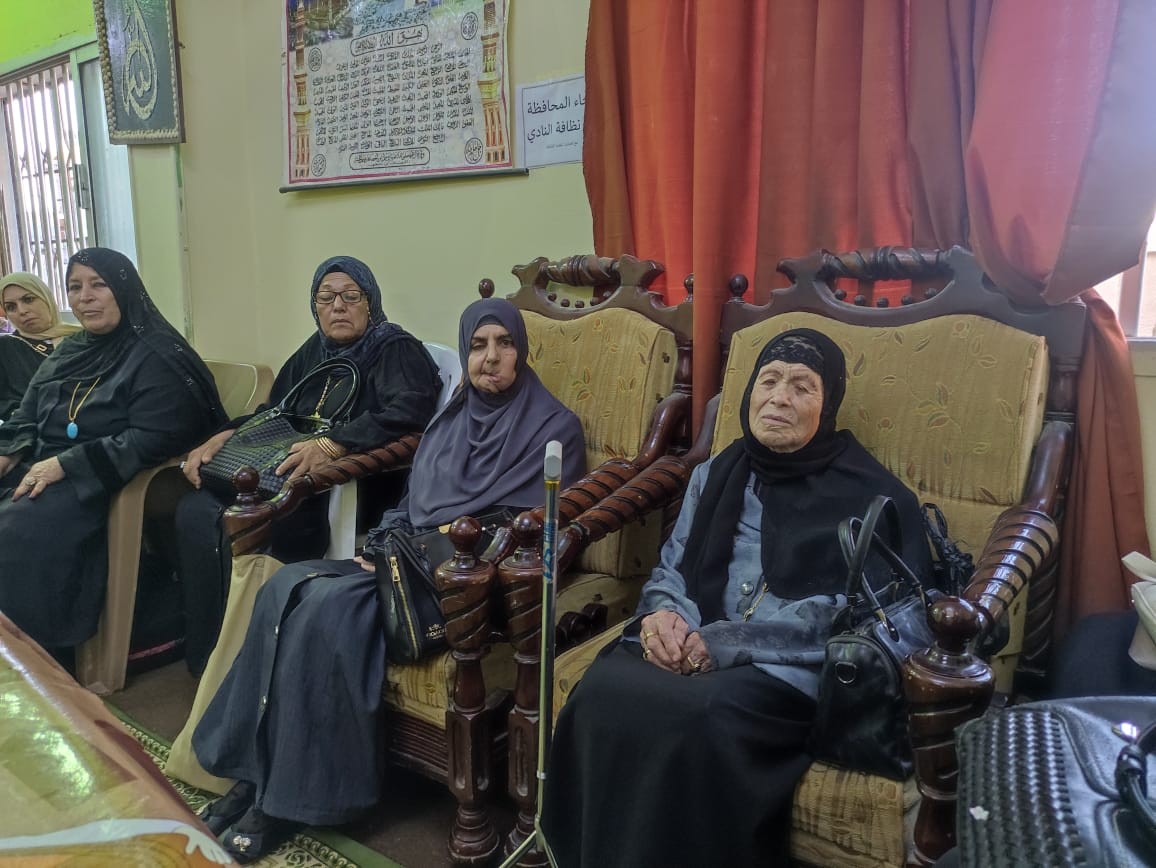
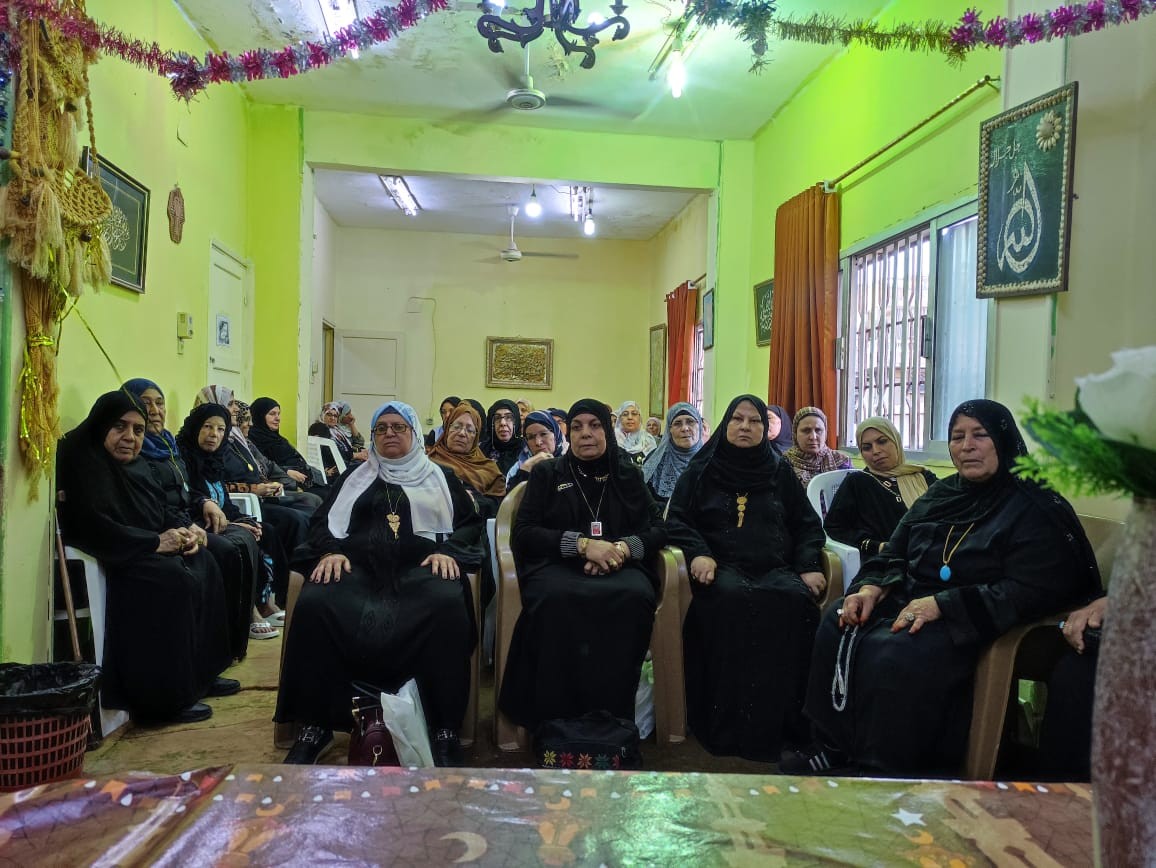
As part of the 12th National Sustainable Development Week, held this year under the theme “Just and Sustainable Solutions to Strengthen Resilience,” and in conjunction with World Environment Day, the North Sinai Local Sustainable Development Forum organized its first dialogue session to discuss the “Renewable Energy Pathway in North Sinai Governorate.” The session brought together representatives of government bodies, civil society organizations, and cultural and women’s institutions.
The event formed part of ongoing efforts to promote community dialogue on sustainable development, climate change and energy, water, and food security. It also supported national efforts to adopt development pathways that are more equitable and resilient in the face of current environmental and economic challenges.
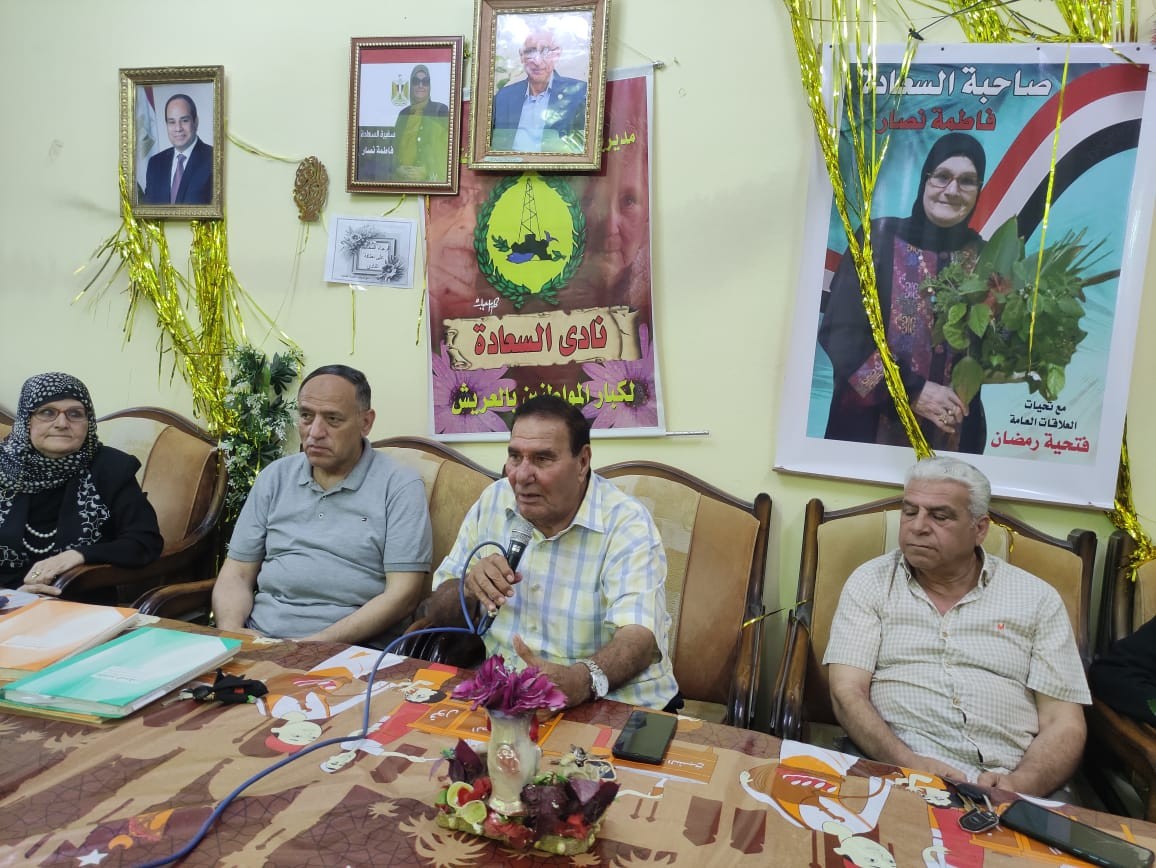
The session was organized by the Local Sustainable Development Forum in coordination with the Environmental Protection Association in Arish and in cooperation with the National Council for Women and Al-Saada Club in Arish. It was attended by several community and cultural leaders, including the Director of the Arish Cultural Palace, Mr. Hassan Al-Allaqmi, and Ms. Fatma Nassar, Chairperson of Al-Saada Club.
Participants emphasized the importance of local sustainable development forums as platforms for community dialogue that help connect local needs and priorities with national strategies, particularly Egypt’s Sustainable Development Vision and the National Climate Change Strategy 2050. Such forums enhance the participation of different stakeholders in developing practical and implementable solutions at both the local and national levels.
The session began with a presentation by Eng. Abdullah Al-Haggawi, Chairperson of the Environmental Protection Association in Arish and Coordinator of the North Sinai Local Sustainable Development Forum. He reviewed the current state of economic development in the governorate and the challenges associated with securing water resources for agricultural communities, particularly in remote areas that depend primarily on agriculture.
Al-Haggawi explained that access to water represents one of the most significant development challenges in many valleys and communities located far from basic service networks. In many cases, it is not feasible to extend the electricity connections required to operate water-lifting pumps, directly affecting the efficiency of irrigation systems and the sustainability of agricultural activities.
He noted that renewable energy, particularly solar power, has emerged in recent years as a practical and sustainable solution to these challenges. Solar-powered irrigation systems can operate in remote areas, ensuring a continuous water supply while reducing operating costs for farmers.
He added that solar energy had also supported local communities during periods when damage to power-generation stations and transmission networks resulted in service disruptions. Furthermore, it helps reduce dependence on fossil fuels and lower greenhouse gas emissions, in line with national efforts to advance a green economy and low-carbon development.
A representative of the governorate department responsible for quarries and the technology center presented the experience of using solar energy to operate equipment and facilities in mining and raw-material extraction areas. He explained that many work sites are situated in remote, hard-to-reach locations without access to conventional electricity services. Solar energy has therefore become a strategic option that ensures operational continuity, greater efficiency, lower costs, and limited environmental impacts.
The representative of the Arish Cultural Palace also highlighted the importance of expanding the use of solar-energy applications to operate and illuminate public and cultural facilities. He emphasized that this approach could improve the quality of services provided to citizens while protecting the environment and embedding a culture of sustainability among different segments of society. This reflects the need to integrate economic development requirements with the conservation of natural resources.
At the conclusion of the session, participants issued several key recommendations. These included expanding the use of solar-energy systems in irrigation and agricultural projects in remote areas by providing government support packages and accessible financing programs. Such measures would help strengthen water security, increase agricultural production, and improve the living standards of local communities.
Participants also recommended strengthening the role of local sustainable development forums as effective mechanisms for community dialogue and participatory development decision-making. They called for these forums to be institutionally linked to national strategies to ensure that dialogue outcomes and recommendations are translated into practical projects and initiatives on the ground.
The recommendations further stressed the importance of expanding partnerships among government bodies, civil society organizations, the private sector, and academic institutions. Such partnerships would accelerate the transition to renewable energy, strengthen the capacity of local communities to adapt to climate-related and economic challenges, and advance the achievement of the Sustainable Development Goals in North Sinai Governorate.