Awareness Campaigns Promote Investment in Waste During National Sustainable Development Week
As part of the activities of the 12th National Sustainable Development Week 2026, held this year under the theme “Just and Sustainable Solutions to Strengthen Resilience,” and in conjunction with World Environment Day under the theme “Action for Climate,” community-based activities continued to promote environmental awareness and support sustainable development solutions by highlighting investment in waste as a promising pathway for achieving both economic and environmental development.
These efforts come amid growing interest in strengthening cooperation among state institutions, civil society organizations, and local communities to address the challenges associated with climate change and resource security. This involves adopting more efficient and sustainable production and consumption models that maximize the use of available resources while reducing waste and resource losses.
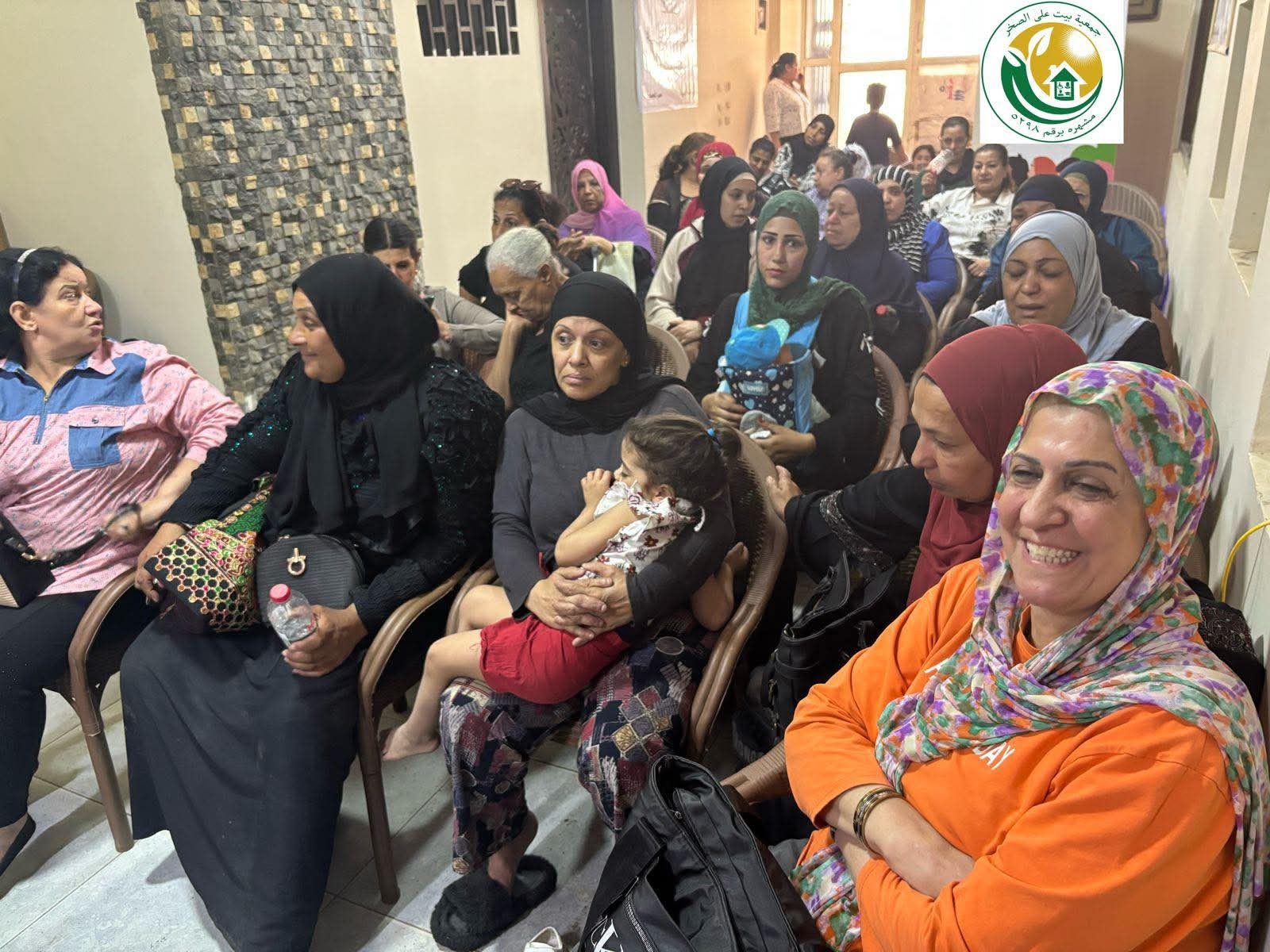
In this context, Beit Ala Al-Sakhr Association, Coordinator of the Giza Local Sustainable Development Forum, organized a series of awareness-raising and interactive sessions as part of the “Warraq Green” project, funded by the Global Environment Facility Small Grants Programme (GEF/SGP). The sessions targeted female breadwinners and women seeking economic and development opportunities in the Warraq area.
The sessions focused on raising awareness of the importance of investing in and recycling waste as an economic resource that can be used to produce new, value-added products. This approach can help reduce environmental pollution, create employment opportunities, and improve household incomes, particularly among the most vulnerable groups.
The activities also addressed the environmental and health risks resulting from improper waste management and ways to mitigate them by adopting reuse and recycling practices. Successful models were presented to demonstrate the capacity of the circular economy to transform waste into tangible productive and development opportunities.
The sessions introduced participants to the training and capacity-building opportunities available through the production unit dedicated to recycling textile waste. The unit transforms discarded fabrics into locally produced, marketable products, opening new avenues for women to participate in economic activities and secure sustainable sources of income. At the same time, it strengthens their contribution to environmental protection and resource conservation.
Participants emphasized that investing in waste is no longer merely an environmental activity but has become an important driver of the green economy, offering opportunities for employment, more efficient resource use, and reduced emissions. It also plays a significant role in supporting local development efforts and advancing sustainability objectives.
The sessions further highlighted the important role women play in promoting a culture of responsible consumption, reuse, and recycling within households and communities. Women were recognized as essential partners in resource management and in achieving the behavioral changes required to support sustainable lifestyles.
These activities reaffirmed the vital role of local sustainable development forums as platforms for dialogue, awareness-raising, and the development of community partnerships. They help connect local priorities with national sustainable development policies and promote citizens’ participation in adopting environmental and economic solutions capable of improving quality of life and strengthening resilience to future challenges.
The initiatives reflect a growing shift towards transforming waste from an environmental burden into a productive economic resource. This supports the transition towards a circular economy, expands opportunities for sustainable development at the local level, and demonstrates that investment in waste is a practical solution for balancing development needs with environmental protection.