“The Environment Is Crying Out”: Initiative to Strengthen Climate Resilience in Giza
Plans to plant 2,000 trees in priority areas and map risks and required interventions
The Sawa Ala AlGanna Association for Development and Care of People with Special Needs, a member of the Global Network of Civil Society Organisations for Disaster Reduction (GNDR), has launched “The Environment Is Crying Out,” an initiative aimed at strengthening local efforts to address environmental and climate risks in Giza Governorate.
The initiative responds to recommendations from a national meeting organised by the Egypt-National Discourse Forum in cooperation with the Egyptian Sustainable Development Forum (ESDF), with the participation of GNDR members in Egypt. Held under the theme “A Comprehensive Vision for Strengthening the Resilience of Communities Most at Risk,” the meeting explored ways to support vulnerable local communities.
The initiative builds on discussions of the priorities and objectives of GNDR’s new strategy for 2026–2030 and the proposed action plan for the final quarter of 2026. It focuses on translating recommendations into practical interventions that respond to the needs of communities most exposed to risks.
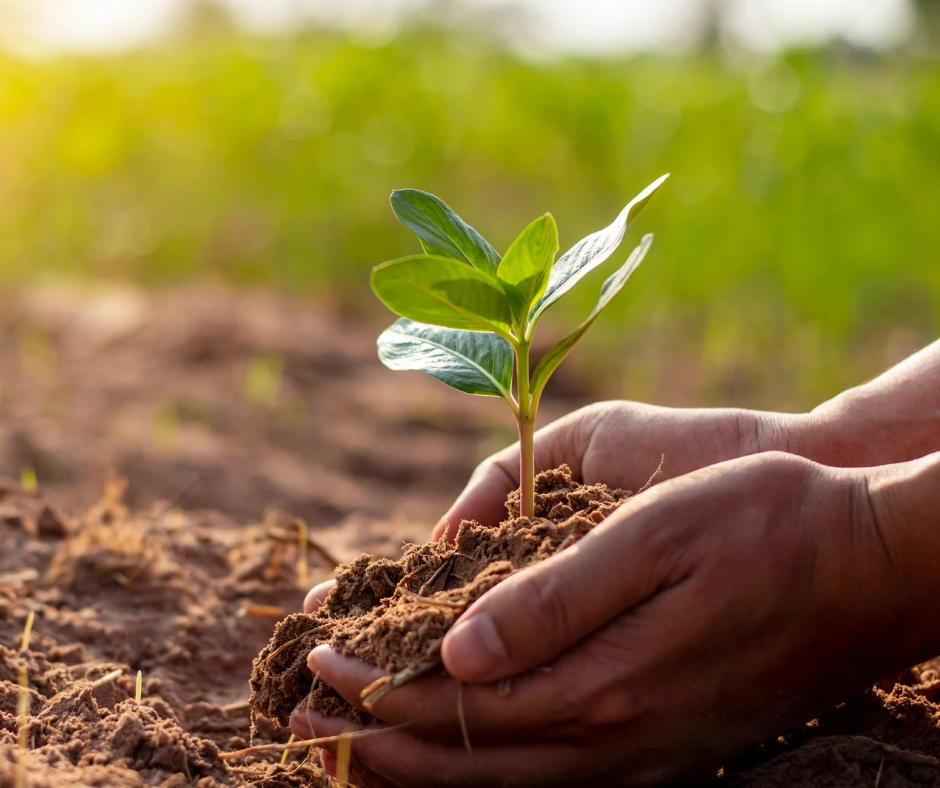
Through partnerships and coordination with executive authorities, local authorities and civil society organisations across Giza, the initiative will carry out tree-planting and environmental awareness campaigns in priority areas. These efforts aim to increase vegetation cover, reduce the impacts of air pollution and rising temperatures, expand shaded areas and green spaces, and strengthen communities’ capacity to adapt to climate risks.
Coordination is underway with the relevant local and executive authorities to plant an initial 500 trees in the governorate, contributing to the initiative’s overall target of 2,000 trees. Planting will follow relevant official standards and guidelines, with tree species selected to suit local environmental and climatic conditions and the characteristics of the target sites.
Beyond direct environmental interventions, the initiative seeks to advance a key recommendation from the national meeting by working towards the formation of a local committee comprising relevant authorities and partners. The committee would map the risks facing Giza Governorate, propose priority interventions, and seek to mobilise resources and secure funding for implementation in cooperation with development partners and the private sector.
The proposed committee is expected to coordinate and plan implementation, including selecting and inspecting target sites with the competent authorities, identifying suitable tree species, verifying the availability of irrigation water, and assigning responsibility for the subsequent care and maintenance of planted trees. These measures aim to ensure the sustainability of the interventions and deliver a tangible, long-term environmental impact.
The initiative reflects efforts to strengthen civil society’s role in translating national recommendations into practical local action. By combining improvements to the urban environment with community awareness, risk-informed planning and partnerships, it seeks to build local resilience to environmental and climate challenges.